
Urban Automotive Guide: Navigating City Cars in 2026
City life is changing fast, and so are the cars we drive. The world of urban automotive is experiencing an exciting transformation as technology, sustainability, and city planning come together in 2026.
If you want to stay ahead of the curve, this guide is your ticket to mastering modern city cars. Get ready to explore the latest trends, top models, tech upgrades, and smart tips that make urban driving not just easier but truly enjoyable!
Curious about which city cars rule the streets, what customization options are trending, or how eco-friendly solutions fit your lifestyle? Imagine a smoother, more stylish commute with the right knowledge at your fingertips.
Urban environments are evolving. Are your driving choices keeping up? Dive in and unlock the secrets to making urban automotive your advantage in 2026!
The Urban Automotive Landscape in 2026
The urban automotive world in 2026 is buzzing with innovation and energy! City streets are evolving faster than ever, and your daily drive is set to become smarter, greener, and more connected. Let’s dive into what’s shaping this new era of city cars and urban mobility.
Key Trends Shaping Urban Mobility
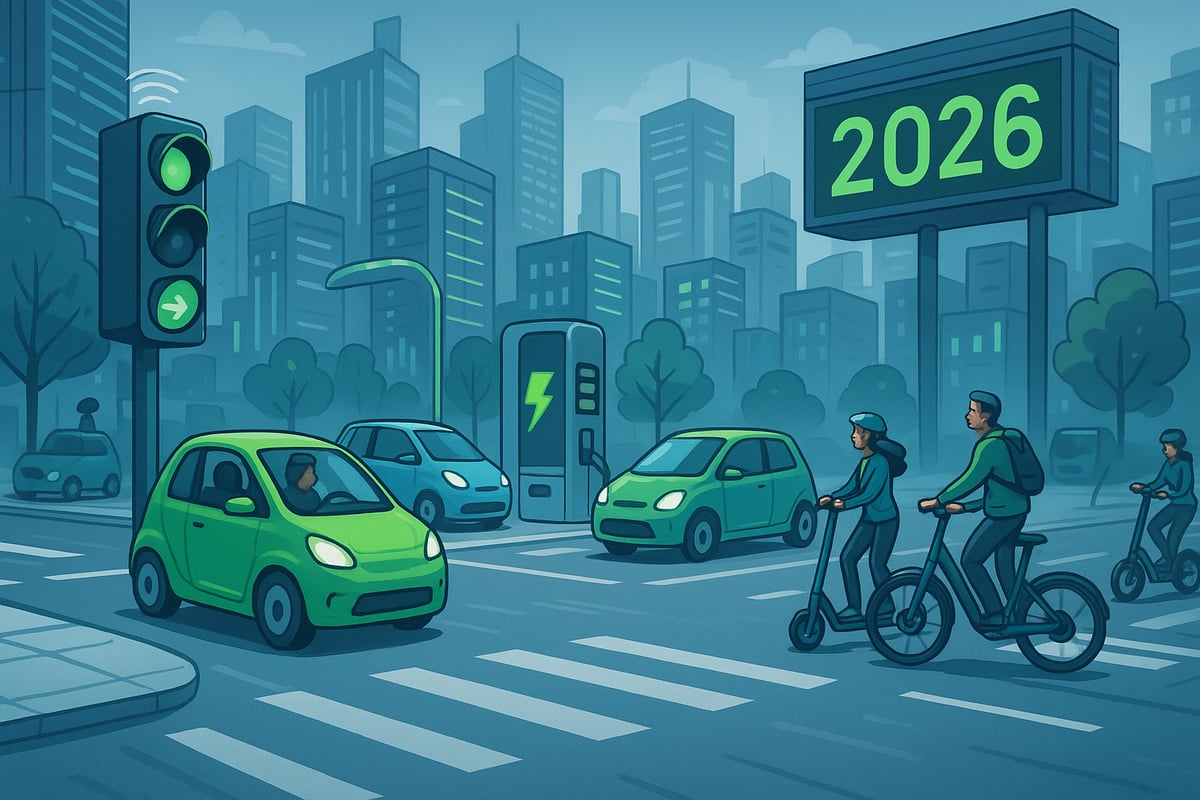
Urban automotive trends in 2026 are rewriting the rules of city living! The rise of micro-mobility and compact vehicles is transforming congested streets into dynamic, efficient networks. Electric scooters, bikes, and ultra-compact cars now dominate, making city commutes faster and more flexible.
Smart city infrastructure is seamlessly blending with automotive technology. Connected traffic signals, AI-powered routing, and vehicle-to-infrastructure communication are reducing delays and boosting safety. The demand for electric and hybrid city cars is skyrocketing, as drivers race to meet new sustainability goals and city policies prioritize low-emission vehicles.
Sustainability is front and center. Cities are pushing hard for emissions reduction, and the urban automotive sector is delivering with cleaner, greener options. Connectivity is also key, with vehicles acting as nodes in the digital ecosystem, sharing real-time data for smoother traffic and safer journeys. The influence of ride-sharing and car subscription models is growing, changing how people view car ownership. For a deep dive into these trends, check out Mobility Trends to Watch in 2026.
Sales of electric city cars are surging in major urban centers, driven by incentives and consumer demand. City policies are giving clear advantages to low-emission vehicles, making it a thrilling time for anyone interested in urban automotive innovation.
Regulatory and Environmental Factors
Urban automotive choices are increasingly shaped by tough regulations and green initiatives. Cities worldwide are tightening emissions standards, forcing both automakers and drivers to rethink their options. Expansion of congestion zones and low-emission areas is becoming the norm, with local authorities rolling out stricter boundaries every year.
Incentives for eco-friendly vehicles are everywhere! Tax breaks, priority parking, and even dedicated lanes make it easier and more appealing to drive green. These perks are not just about saving money—they’re about supporting a cleaner city for everyone.
Government initiatives are having a huge impact on car design and usage. Manufacturers are responding by creating vehicles that are not only efficient but also compliant with new rules. A standout example is London’s Ultra Low Emission Zone (ULEZ) expansion, which has pushed many drivers to switch to electric or hybrid city cars. This move has changed the urban automotive landscape in London, setting a benchmark for other global cities to follow.
These regulatory shifts mean that choosing the right city car in 2026 is about more than style or comfort—it’s about meeting the new standards and enjoying the benefits that come with eco-friendly driving.
Evolving Consumer Preferences
Urban automotive trends are also being driven by what city dwellers want most: convenience, technology, and a touch of personal flair! There’s a noticeable shift toward compact SUVs and crossovers designed for urban environments, offering more space without sacrificing maneuverability.
Connectivity, safety, and convenience features are now at the top of every shopper’s wish list. Drivers crave seamless smartphone integration, advanced safety systems, and smart navigation tools that make city driving less stressful and more enjoyable.
Customization is becoming a status symbol in the urban automotive world. Drivers want their city cars to reflect their unique personalities, leading to a boom in bespoke finishes and tech upgrades. According to Statista, there’s been a 15% year-over-year increase in city car customization requests from 2025 to 2026.
This evolution shows how urban automotive choices are about so much more than getting from A to B. They’re about expressing individuality, embracing cutting-edge tech, and navigating the city with confidence!
Choosing the Right City Car: Models, Features & Fit
Finding the perfect city car in 2026 is more exciting than ever! With urban automotive trends evolving fast, drivers have an array of innovative models and features to explore. Whether you crave efficiency, tech, or standout style, there is an urban automotive solution tailored for every city dweller. Let’s dive into the top choices and what makes them shine.
Top City Car Models for 2026
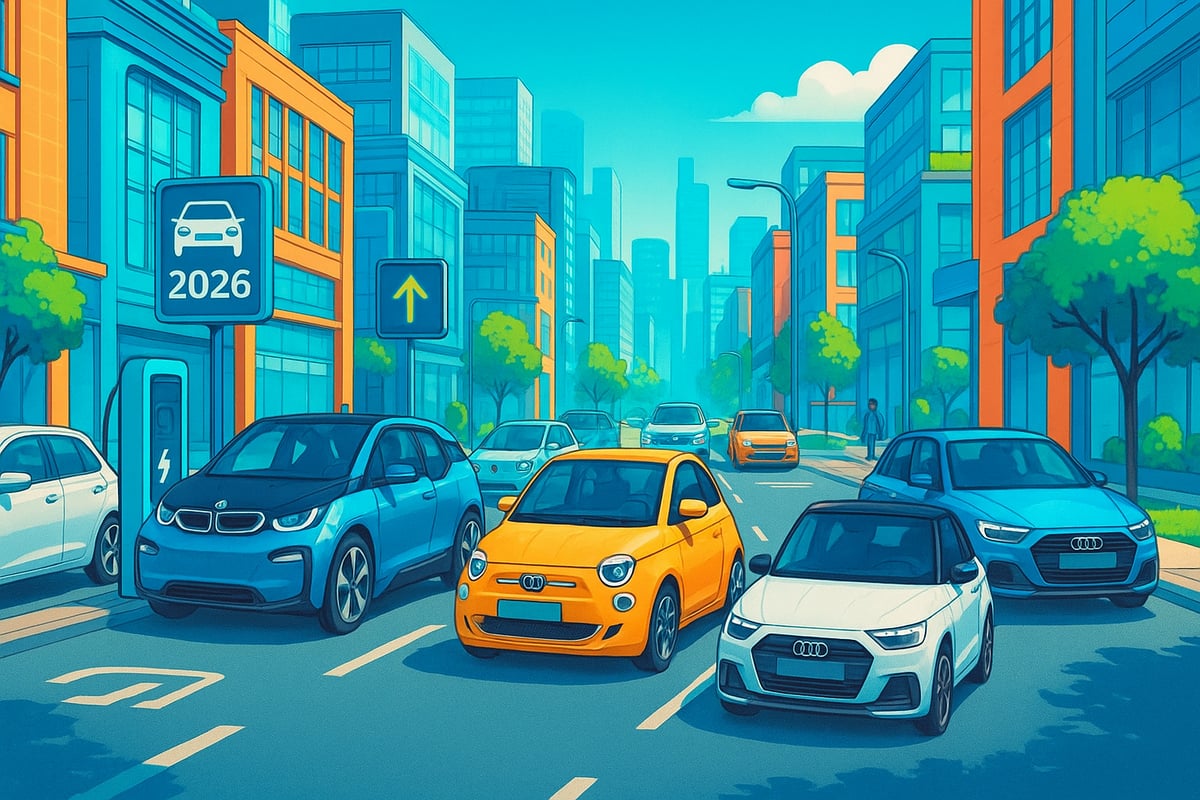
City drivers are spoiled for choice with 2026’s dynamic lineup. Leading the pack, the BMW i3 remains a favorite for its compact footprint and advanced technology. The Fiat 500e dazzles with Italian flair and nimble handling, while the MINI Electric offers iconic style paired with urban practicality. Honda e impresses with its minimalist design and tight turning radius, perfect for dense neighborhoods. Audi A1 rounds out the list, delivering luxury and performance in a city-friendly size.
Here’s a quick comparison:
| Model | Range (mi) | Key Feature | Starting Price |
|---|---|---|---|
| BMW i3 | 200+ | Tech-focused cabin | $35,000 |
| Fiat 500e | 180 | Flexible cargo | $32,500 |
| MINI Electric | 150 | Smart parking tech | $34,000 |
| Honda e | 140 | Ultra-compact | $31,000 |
| Audi A1 | 210 | Premium feel | $36,500 |
Urban automotive enthusiasts are drawn to these models for their blend of efficiency, style, and maneuverability. Each offers a unique edge for city life.
Essential Features for Urban Driving
Navigating the urban jungle means having the right features at your fingertips. Advanced driver-assistance systems (ADAS) are a must for tight city streets, offering lane-keeping, pedestrian detection, and emergency braking. Parking aids like 360-degree cameras and automated parking systems make squeezing into tiny spots a breeze.
Connectivity is essential. Real-time traffic updates, smartphone integration, and smart infotainment keep you in sync with your city. Security features like anti-theft tech and urban collision avoidance help protect your investment.
Urban automotive design now prioritizes these innovations, ensuring every city driver enjoys both safety and convenience.
Electric vs. Hybrid vs. ICE: What’s Best for the City?
The debate is hotter than ever! Electric vehicles (EVs) are dominating the urban automotive conversation, thanks to zero emissions and instant torque. They’re perfect for short city trips and benefit from growing charging infrastructure. However, range anxiety and charging times might concern some.
Hybrids offer flexibility, blending electric efficiency with gasoline reliability for those occasional longer drives. Internal combustion engine (ICE) vehicles still exist but face restrictions in many urban zones due to emissions regulations.
Here’s a snapshot:
- EVs: Clean, quiet, and cost-effective for city commutes.
- Hybrids: Versatile for mixed driving needs.
- ICE: May face access limits in low-emission areas.
By 2026, urban automotive trends show EVs capturing over 40% of the city market, making them a future-proof choice for most drivers.
Customization and Personalization Options
City car owners love to stand out! Urban automotive customization is booming, with drivers opting for body kits, custom wheels, tech upgrades, and interior lighting. Bespoke finishes and branded accessories are now status symbols among city dwellers.
Popular upgrades include:
- Unique body kits and spoilers
- High-performance wheels
- Smart infotainment and lighting
- Personalized interiors
To explore the perfect accessories for your ride, check out the Car Accessories for Urban Vehicles selection, which offers enhancements tailored for city driving and urban automotive style.
Practical Considerations: Size, Storage, and Versatility
In crowded cities, compact size is king! Urban automotive choices focus on maneuverability, making parking and weaving through traffic effortless. Fold-flat seats and modular storage are must-haves for running errands or weekend getaways.
For example, the Fiat 500e’s flexible cargo system lets you pack groceries, gym bags, or even a small bike. Smart storage solutions are now standard, ensuring your urban automotive pick adapts to every need.
By balancing size, versatility, and clever design, today’s city cars help drivers master urban living with style and ease.
Tech Innovations Transforming City Cars in 2026
The urban automotive world is buzzing with rapid technological change! City cars in 2026 are smarter, safer, greener, and more connected than ever before. Let’s dive into the innovations that are reshaping how we drive, park, and enjoy life in the modern metropolis.
Smart Connectivity and Infotainment
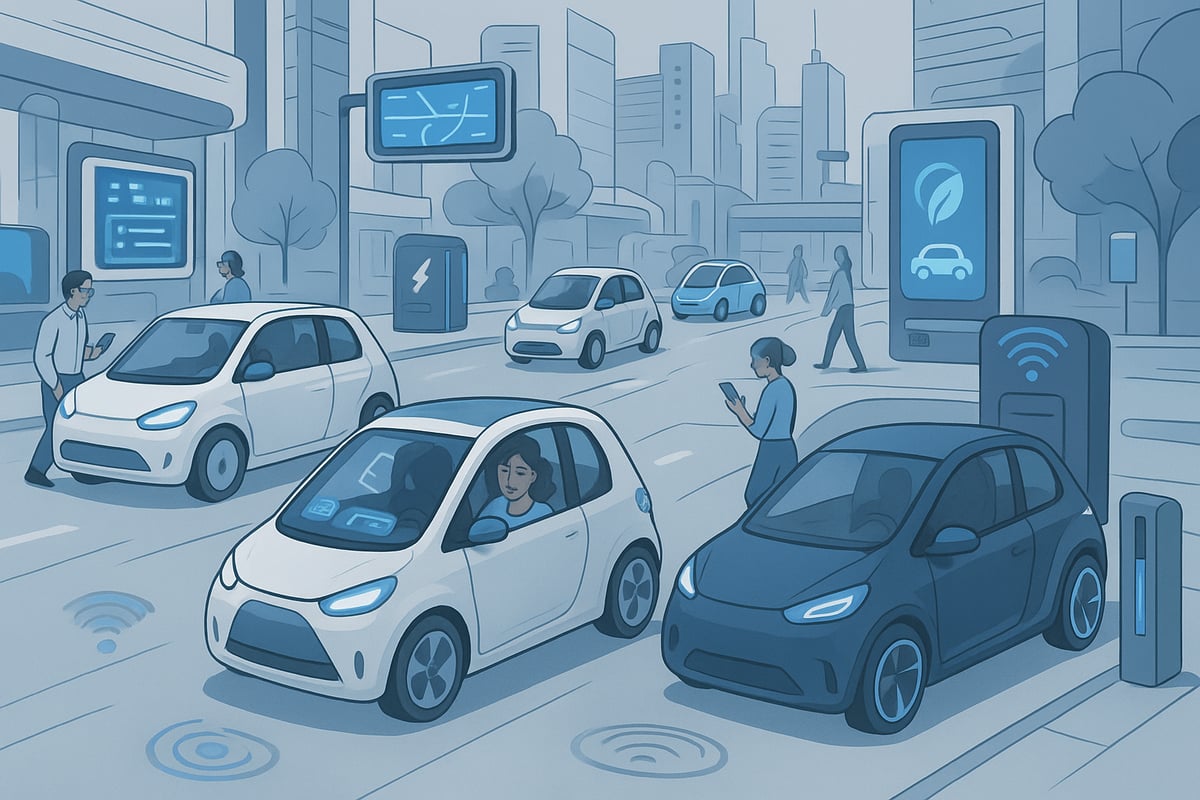
Urban automotive connectivity is taking center stage in 2026! City cars now communicate seamlessly with your smart home and the city itself. Imagine stepping into your car, with wireless charging pads ready, and your favorite playlists and navigation synced to your phone instantly.
Infotainment systems are powered by AI, offering real-time city updates, parking availability, and weather alerts. Over-the-air software updates mean your car’s features keep improving without ever visiting a dealer. The MINI Electric, for example, boasts a real-time city parking locator app, making the daily hunt for a spot less stressful.
With urban automotive innovation, drivers experience more convenience and personalized journeys. Features like gesture controls, voice assistants, and multi-device integration turn city cars into mobile command centers. The future of infotainment is here, and it’s made for the urban lifestyle.
Safety and Driver Assistance in Urban Environments
In the urban automotive space, safety is evolving to meet the unique challenges of dense city streets. Advanced Driver Assistance Systems (ADAS) are now tailored to urban needs, offering lane-keeping, pedestrian detection, and emergency braking at low speeds.
City-specific safety features include cyclist alerts and low-speed collision mitigation. These systems use advanced sensors and cameras to monitor surroundings, providing peace of mind in bustling environments. According to 2026 Euro NCAP safety ratings, city cars are leading the way with technologies designed for urban scenarios.
Urban automotive manufacturers prioritize both active and passive safety, integrating features like 360-degree cameras, automatic emergency calls, and enhanced visibility. This new wave of tech helps drivers confidently navigate tight spaces, crowded crosswalks, and unpredictable traffic patterns.
Electrification and Battery Advancements
Electrification is a game-changer for urban automotive enthusiasts! In 2026, city cars are more electric than ever, with improved battery range and ultra-fast charging capabilities. The Audi A1’s latest model, for example, delivers 300+ miles of city range, making range anxiety a thing of the past.
Urban charging infrastructure has expanded significantly, with public, private, and on-street charging stations popping up across major metros. Many city dwellers now rely on wireless charging at home or work, further simplifying EV ownership.
Urban automotive brands focus on efficiency and sustainability, offering eco-modes and regenerative braking systems. These advancements ensure city cars remain both affordable and environmentally friendly, encouraging more drivers to make the switch to electric.
Autonomous and Semi-Autonomous Features
Autonomy is revolutionizing the urban automotive landscape! Level 2 and Level 3 autonomy are now common in city cars, providing features like traffic jam assist, adaptive cruise control, and self-parking. Imagine your car smoothly handling stop-and-go traffic while you relax and enjoy the ride.
Pilot programs in Berlin and San Francisco are testing autonomous city shuttles, hinting at a future where shared vehicles navigate busy streets with ease. Regulations are adapting quickly, allowing more urban automotive brands to introduce semi-autonomous capabilities.
For a deeper dive into how AI and autonomous vehicles are shaping urban mobility, check out Mobility In 2026: AI and AVs. These breakthroughs are making city driving smarter, safer, and less stressful, helping the urban automotive sector lead the way into the future.
Sustainable Materials and Eco-Friendly Design
Sustainability is at the heart of urban automotive innovation. City cars in 2026 feature interiors crafted from recycled and renewable materials, like upcycled plastics and eco-friendly fabrics. Lightweight body parts made from recycled carbon fiber or aluminum help boost efficiency and reduce emissions.
The BMW i3 stands out for its use of recycled carbon fiber panels, blending durability with environmental responsibility. Automakers are also embracing closed-loop manufacturing, ensuring materials are reused and waste is minimized.
Urban automotive design is now as much about sustainability as it is about style. Drivers can feel good knowing their city car is not only cutting-edge but also making a positive impact on the environment.
Urban Car Customization: Trends, Brands, and Best Practices
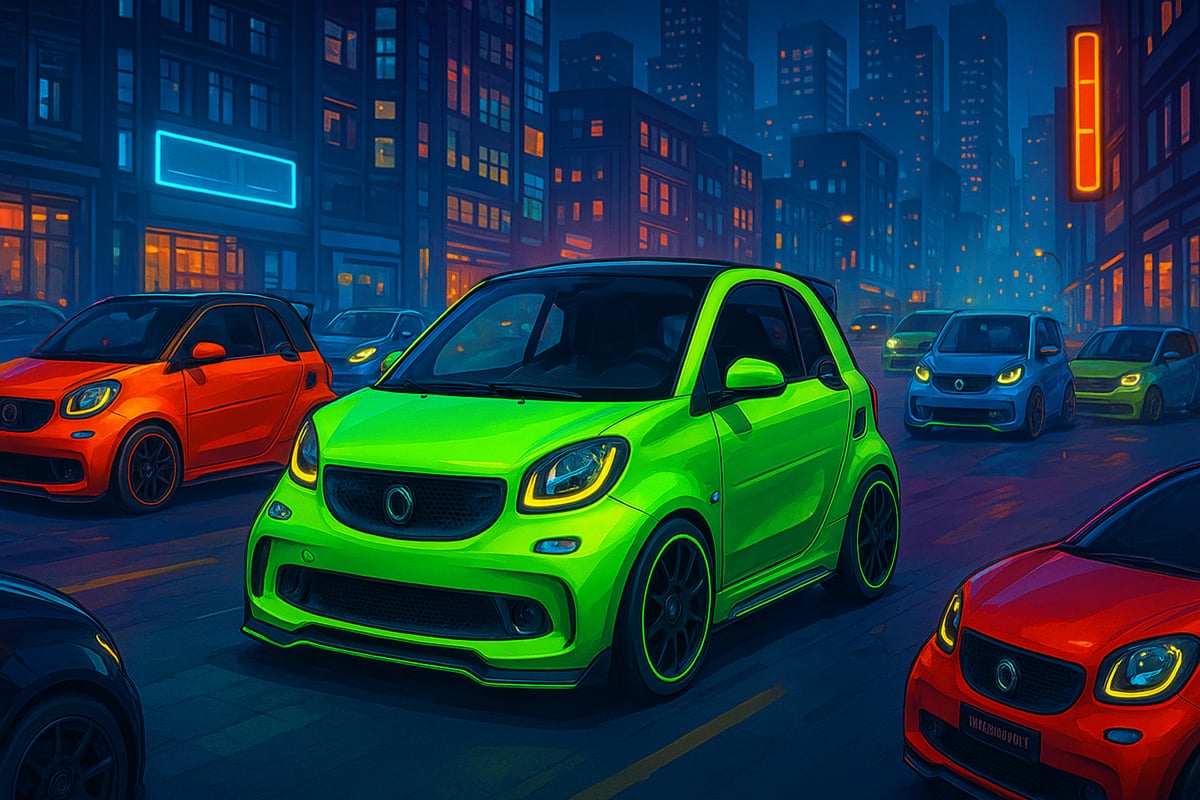
Urban automotive customization is taking city streets by storm! Drivers crave individuality, turning their city cars into bold statements of style and innovation. From custom paint finishes and sleek wraps to advanced interior tech, personalization is now a must for the modern urban automotive enthusiast.
The demand for unique upgrades is climbing, with more city dwellers opting for aftermarket wheels, bold body kits, and custom lighting. According to Auto Aftermarket Accessories Market Insights, the urban automotive aftermarket is booming, reflecting a powerful trend toward self-expression and smart performance enhancements.
The Rise of Urban Automotive Customization
The urban automotive scene is all about standing out. Custom paint jobs, vinyl wraps, and designer interiors are more popular than ever. Drivers are choosing bold colors, unique textures, and even ambient lighting to set their vehicles apart.
Popular upgrades include:
- Aftermarket wheels and rims for a sportier look
- Aerodynamic body kits and spoilers
- Bespoke interior finishes and tech add-ons
Customization is more than just aesthetics. It is about creating a city car that fits your lifestyle and enhances your daily commute. As urban automotive culture grows, so does the appetite for innovation and self-expression through vehicles.
Leading Brands in Urban Customization
Urban automotive customization would not be what it is today without the creative influence of leading brands. Urban Automotive sets the standard with luxury styling and tailored accessories for city-friendly models. BRABUS is known for aggressive performance upgrades and distinctive design cues, while Mansory delivers ultra-premium finishes for those who want the ultimate in exclusivity.
Other standout names include TechArt, celebrated for Porsche modifications, and ABT, a favorite for Audi and VW enthusiasts. Urban Automotive’s recent partnership with Vossen for exclusive wheel designs is making waves, offering drivers even more ways to personalize their rides.
These brands help shape the look and feel of the urban automotive scene, giving drivers endless options to craft their perfect city car.
Best Practices for City Car Upgrades
When upgrading your city car, balance is key. Urban automotive enthusiasts should aim for modifications that enhance both style and practicality. For tight city spaces, select upgrades that do not compromise maneuverability or visibility.
Smart tips for success:
- Choose accessories that meet city regulations and do not hinder safety features.
- Prioritize professional installation to avoid issues with warranty or fitment.
- Research the latest trends and consult experts before making big changes.
Urban automotive upgrades can transform your car, but thoughtful planning ensures your investment delivers both style and substance.
Legal and Insurance Considerations
Customizing your car is exciting, but urban automotive modifications can affect your insurance and legal standing. Some upgrades, like performance exhausts or extreme body kits, may increase premiums or require additional documentation.
Stay compliant by:
- Checking local city and state regulations for permissible modifications
- Notifying your insurer about any changes to your vehicle
- Understanding registration requirements for modified vehicles, especially in places like California and New York
Urban automotive customization is all about creativity, but always keep legality and coverage in mind to avoid unexpected setbacks.
Eco-Friendly Urban Mobility: Sustainability and Cost Savings
Urban automotive innovation is driving a green revolution in city mobility! Cities everywhere are pushing for cleaner, more sustainable transportation. Electric vehicles now dominate the urban scene, with new models like the Renault Twingo E-Tech Overview set to make waves in 2026. Local governments are offering perks such as rebates, toll exemptions, and even exclusive access to certain city zones. These initiatives are making eco-friendly urban automotive options not just desirable but truly practical for city dwellers. The future of city driving is clean, quiet, and incredibly exciting!
The Green Revolution in City Cars
Urban automotive trends are shifting rapidly toward zero-emission vehicles. Cities like Paris are leading the charge, introducing electric-only zones in their centers by 2026. This move is inspiring other metropolises to follow suit. The push for sustainability is not just about cleaner air but also about transforming the daily commute into a modern, responsible experience. For city drivers, switching to electric or hybrid models means joining a movement that truly makes a difference. This shift is the heartbeat of the urban automotive future!
Cost of Ownership: EVs vs. Hybrids vs. ICE
When it comes to urban automotive choices, cost is king! Electric vehicles (EVs) often have a higher upfront price, but their long-term savings are impressive. The 2026 AAA study found EV owners save 25 percent annually on urban commuting compared to traditional internal combustion engine (ICE) cars. Here’s a quick cost comparison:
| Vehicle Type | Upfront Cost | Annual Fuel/Charging | Maintenance | Annual Savings |
|---|---|---|---|---|
| EV | High | Low | Low | 25% |
| Hybrid | Medium | Medium | Medium | 15% |
| ICE | Low | High | High | 0% |
Choosing the right urban automotive solution can lead to big savings over time!
Charging and Refueling in the City
Urban automotive convenience is all about access to reliable charging and refueling. Fast-charging stations are popping up on every corner, while home charging solutions are more affordable than ever. Public-private partnerships, like New York City’s "ChargeNY" initiative, are adding thousands of charging points. This new infrastructure takes the hassle out of owning an electric city car. Urban drivers can now power up quickly and get back on the road with minimal downtime, making electric mobility seamless.
Recycling and End-of-Life Solutions
Sustainability in urban automotive design doesn’t stop at the end of a car’s life. Manufacturers like BMW and Nissan are rolling out battery recycling and vehicle upcycling programs. Closed-loop recycling keeps valuable materials in use, reducing waste and environmental impact. Many cities now require eco-friendly disposal or take-back options for old vehicles. By choosing brands that prioritize recycling, urban automotive enthusiasts can ensure their ride is green from start to finish.
Urban Mobility Beyond the Car
Urban automotive innovation extends far beyond just cars. Today’s city dwellers blend cars, bikes, scooters, and public transit for a truly multimodal lifestyle. Mobility-as-a-Service (MaaS) platforms in cities like Tokyo and London make it easy to plan and pay for diverse journeys. Advanced research, such as the Towards Universal Urban Patterns-of-Life Simulation, is helping cities optimize mobility networks and predict travel patterns. Embracing this integrated approach, urban automotive fans enjoy unmatched flexibility, convenience, and sustainability every day.
Mastering Urban Driving: Tips, Hacks, and Future Outlook
Urban driving in 2026 is more exciting and dynamic than ever! As cities evolve, so do the demands on drivers and their vehicles. Mastering the urban automotive world means staying agile, informed, and ready for anything the city throws your way.
Navigating Congestion and Urban Challenges
City streets can feel like a maze, but conquering congestion is easier than ever with the right strategies. Plan your routes using real-time navigation apps that suggest the fastest paths and help you dodge gridlock. Off-peak travel can make a huge difference in your daily commute, saving both time and stress.
Modern urban automotive solutions offer adaptive cruise control and stop-start systems to ease stop-and-go traffic. Combining technology and smart planning, you can transform urban driving from a daily struggle to a seamless journey. Keep your eyes open for city-only shortcuts and new traffic optimization features in your car’s dashboard!
Parking Solutions and Smart Infrastructure
Finding a parking spot in a bustling city used to be a nightmare. Now, with advanced parking apps and sensor-equipped lots, urban automotive enthusiasts can reserve spaces ahead of time or even let their cars park themselves. Automated garages and robotic stackers make parking in dense areas quick and stress-free.
Check out city maps that highlight available parking and accept digital payments for extra convenience. Many cities now offer priority parking for eco-friendly vehicles, so upgrading to a greener ride can mean perks beyond the environment. No more circling the block—just tap, park, and go!
Safety and Security in the Urban Jungle
Urban environments come with unique safety challenges, but modern cars are equipped to handle them. Advanced safety features like pedestrian detection, cyclist alerts, and low-speed collision mitigation are standard in leading city cars. Dash cams and GPS trackers add an extra layer of security, deterring theft and helping recover vehicles if needed.
Statistics show that smart tech adoption has led to a drop in urban vehicle thefts. Urban automotive security systems are smarter than ever, offering peace of mind whether you’re parked on a busy street or in a hidden alley. Remember, a secure car is a happy car!
Maximizing Efficiency and Comfort
Efficiency is king in the city! Use eco-driving techniques like smooth acceleration and regenerative braking to get the most out of every charge or tank. Comfort matters too, so consider upgrades like sound insulation, climate control, and ergonomic seating to make every drive enjoyable.
Personalize your urban automotive experience with features like customizable ambient lighting and advanced infotainment systems. For those looking to elevate their ride further, explore the Best Aftermarket Car Parts Website for top-rated upgrades that blend performance and style for city driving.
Preparing for the Future of Urban Mobility
The future is bright for city drivers! Trends like shared autonomous vehicles and subscription-based access are gaining momentum. Expect to see more cars with Level 3 autonomy, making city commutes safer and more relaxing. Artificial intelligence and big data will personalize your driving experience, suggesting routes, parking, and even preferred cabin settings.
Urban automotive technology is evolving fast, so staying updated means you’ll always have the edge. By 2030, city cars will be smarter, greener, and more connected than ever. Get ready to embrace the next chapter in urban mobility!
Urban Driver Resources and Communities
You’re not alone on the road! Join online forums, owner clubs, and digital communities dedicated to urban automotive enthusiasts. These spaces are perfect for sharing tips, finding maintenance advice, and showing off custom upgrades.
Look out for local meetups and city car showcases where you can connect with fellow drivers. Urban automotive communities are a fantastic resource for inspiration, troubleshooting, and discovering the latest trends. Together, city drivers are shaping the future of urban mobility, one ride at a time.